Table of Contents
The oat (Avena sativa), sometimes called the common oat, is a species of cereal grain grown for its seed, which is known by the same name (usually in the plural, unlike other cereals and pseudocereals). While oats are suitable for human consumption as oatmeal and rolled oats, one of the most common uses is as livestock feed. Oat Beta-Glucan is a soluble fiber derived from the oat’s (Avena sativa) endosperm cell walls. It is a natural polymer comprised of individual glucose molecules that are linked together by a series of Beta-(1 3) and Beta-(1 4) linkages.
Benefits
Oat beta-glucan is beneficial to high cardiovascular disease risk populations.
Oat beta glucan’s anti-wrinkle promise.
It lowers the risk of coronary heart disease by significantly lowering LDL cholesterol by an average of 8%.
Immunomodulator actives white body cells.
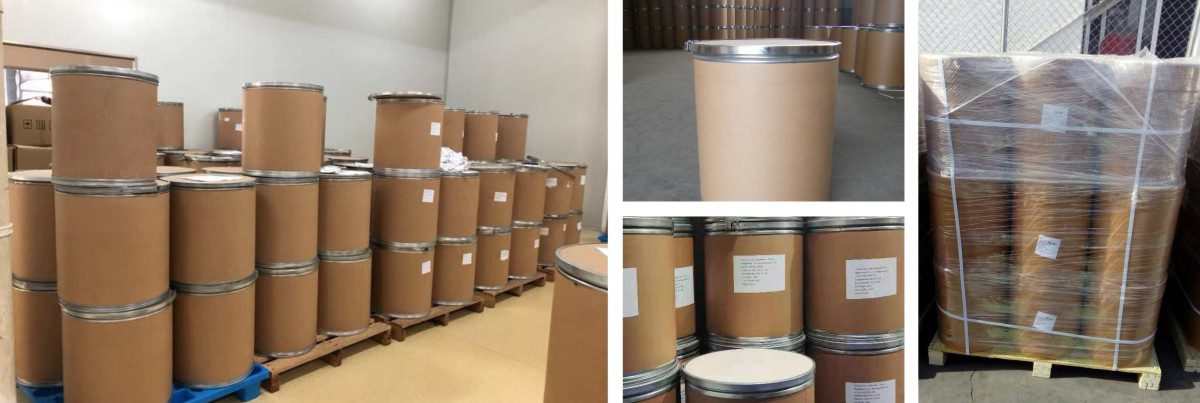
Packing